Measles: What it is and how to prevent it
By Dr. John Anwar
What Is Measles?
Measles is a highly contagious viral illness that can cause serious health complications, including pneumonia, brain inflammation, and death. It is one of the most infectious diseases known—up to 90% of people who are not immune will develop measles after exposure.
How Does Measles Spread?
Measles spreads through the air when an infected person breathes, coughs, or sneezes. The virus can remain infectious in the air and on surfaces for up to 2 hours after an infected person leaves an area. This means you can catch measles simply by being in a room where an infected person was earlier.
People with measles are contagious from 4 days before the rash appears until 4 days after it starts. This means they can spread the virus before they even know they're sick.
What Are the Symptoms?
After exposure to measles, it typically takes 10-14 days (range 7-21 days) before symptoms appear. The illness usually begins with:
- High fever (up to 105°F)
- Cough
- Runny nose
- Red, watery eyes (conjunctivitis)
About 2-4 days after these initial symptoms, a red, blotchy rash appears. The rash starts on the face and spreads down to the trunk, arms, and legs. Some people also develop small white spots inside the mouth (called Koplik spots) before the rash appears.
What Are the Complications?
Measles is not just a simple rash. About 30-40% of people with measles develop one or more complications, which can include:
- Ear infections (7-9% of cases)
- Diarrhea (8-10% of cases)
- Pneumonia (1-6% of cases)
Or in more serious cases:
- Brain inflammation also known as encephalitis (occurs in about 1 in 1,000 cases)
- Death (occurs in about 1-3 per 1,000 cases)
- Subacute sclerosing panencephalitis (SSPE): a rare but fatal brain disease that can develop 7-10 years after measles infection
Who is at highest risk for complications?
- Children younger than 5 years
- Adults older than 20 years
- Pregnant women
- People with weakened immune systems
- People with vitamin A deficiency or malnutrition
Measles also causes immune suppression that can last 2-3 years after infection, making you more vulnerable to other infections during this time.
How Can You Prevent Measles?
The MMR (measles, mumps, and rubella) vaccine is the best protection against measles. The vaccine is highly effective. One dose provides about 93% protection, and two doses provide about 97% protection.
Recommended vaccination schedule:
- Children: First dose at 12-15 months of age, second dose at 4-6 years
- Adults born in 1957 or later who have not been vaccinated should receive at least one dose
- Healthcare workers, college students, and international travelers should receive two doses
Special situations:
Infants 6-11 months old should receive an early dose before international travel or during outbreaks, followed by the standard two-dose series after 12 months of age
The vaccine is safe, with mild side effects like fever (5-15% of people) or rash (5% of people)
Who should not receive the MMR vaccine:
- Pregnant women
- People who are severely immuno-compromised
The Current Situation
Measles cases have been increasing in the United States due to declining vaccination rates. In early 2025, over 200 cases were reported across multiple states, but 982 confirmed measles cases were reported in the United States in 2026 with most cases occurring in unvaccinated children. To prevent measles outbreaks, at least 95% of the population needs to be vaccinated.
What Should You Do?
Make sure you and your children are up to date on MMR vaccinations. If you're unsure about your vaccination status, talk to your healthcare provider. If you're planning international travel, ensure you're vaccinated at least 2 weeks before departure. If you think you've been exposed to measles or develop symptoms, contact your healthcare provider immediately by phone before visiting—this helps prevent spreading the virus to others
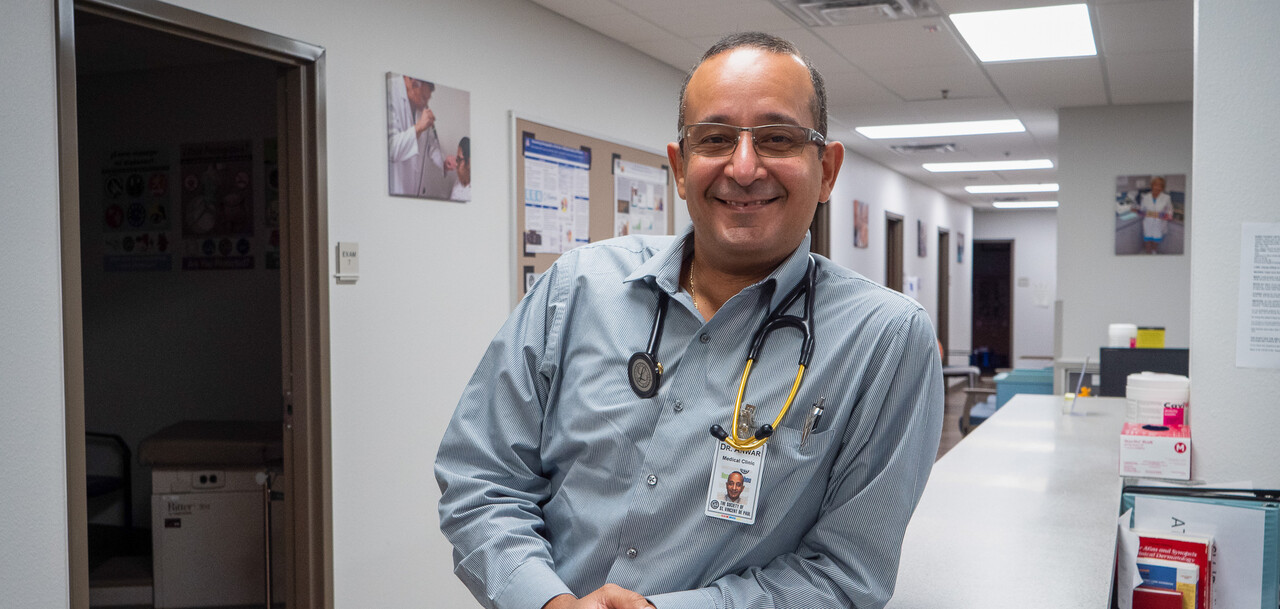
Dr. John Anwar is the Chief Medical Officer of the Virginia G. Piper Medical Clinic at St. Vincent de Paul.